



Site Engineer Career Path in Ireland: What Your Career Can Look Like Over the Next 10-15 Years
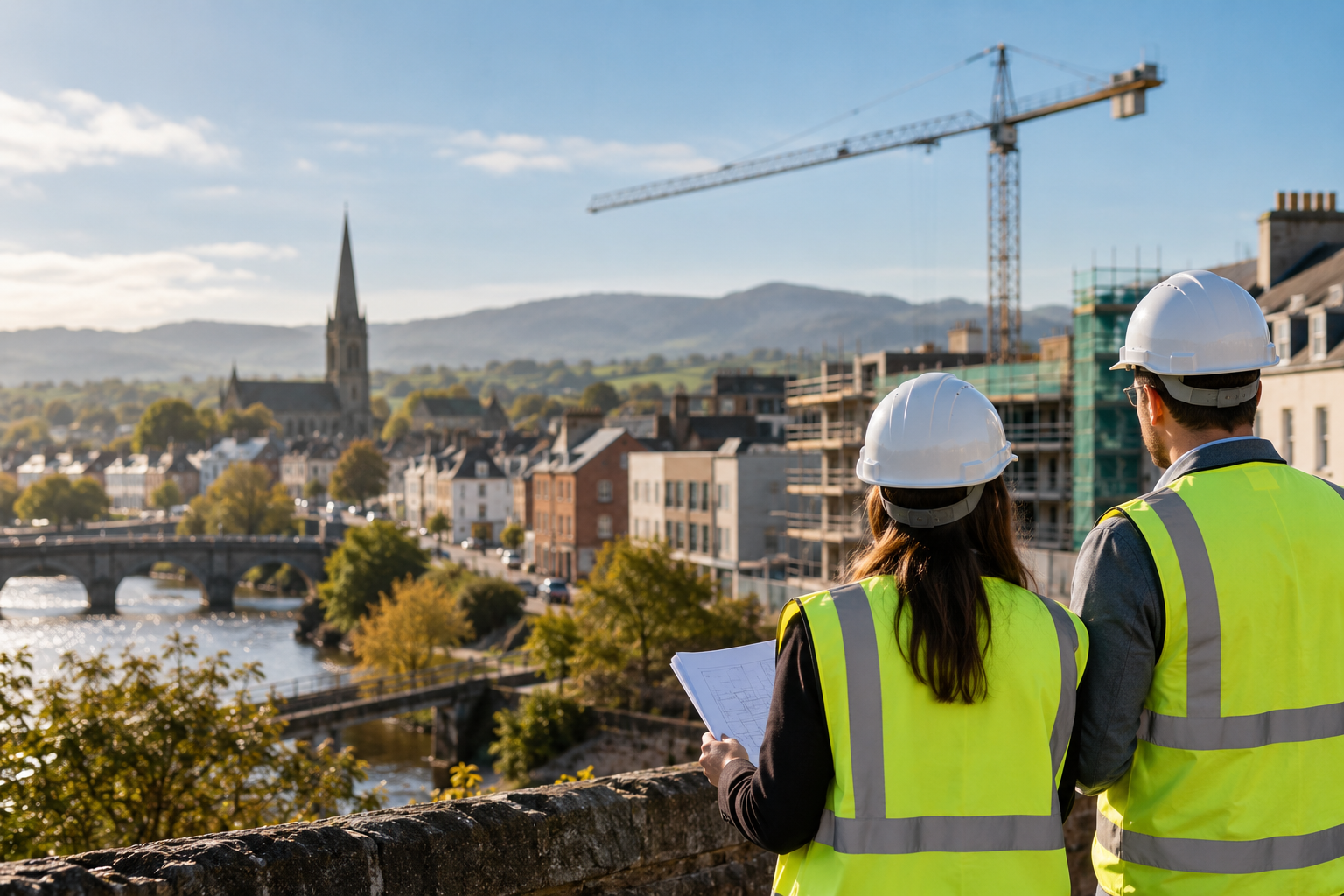
Walk onto almost any construction site in Ireland and you’ll find the same thing at the centre of it all, a site engineer with drawings under one arm, a setting-out instrument nearby, and half a dozen people looking for answers.
For many engineers, the role starts as a graduate position. But what’s often not explained clearly is just how far that path can take you. The site engineer career path is one of the most reliable routes into senior construction management, offering strong job security, excellent earning potential, and long-term progression.
This article breaks down what a site engineer career typically looks like in Ireland, how long each stage usually lasts, what responsibilities increase over time, and what salary levels engineers can realistically expect as they progress.
The Graduate Years: Learning the Ground Rules (0-2 Years)
Most site engineers begin their career straight out of college with a Level 8 degree in Civil Engineering or a related discipline. The first one to two years are less about seniority and more about exposure. This is where theory meets reality.
Graduate site engineers spend most of their time learning how a site actually operates. Setting out becomes a daily task, alongside checking drawings, assisting with inspections, updating records, and supporting senior engineers with technical queries. It’s also the stage where engineers learn how to communicate with subcontractors, foremen, and site management, something no lecture hall can truly prepare you for.
In Ireland, graduate site engineers can typically expect to earn between €35,000 and €45,000, depending on location, company size, and project type. While salary is important, the real value at this stage comes from the quality of the projects you’re exposed to and the support around you.
Stepping Into Your Own: Site Engineer Level (2-5 Years)
After a couple of years on site, engineers usually reach a point where they’re trusted to work independently. This is where confidence grows and responsibility increases significantly.
At this stage, site engineers are no longer just assisting, they’re running sections of work. They take ownership of setting out, manage subcontractors for specific packages, ensure work is built to specification, and solve technical issues as they arise. Engineers here are often the first point of contact when something doesn’t go to plan.
With this responsibility comes a jump in salary. Site engineers with two to five years’ experience in Ireland typically earn €45,000 to €60,000, often with a vehicle, fuel card, pension, and additional benefits included.
This phase is critical. Engineers who take initiative, communicate well, and show leadership potential often progress much faster than those who stay narrowly focused on technical tasks alone.
Becoming a Senior Site Engineer: Leading the Technical Delivery (5-8 Years)
By the time an engineer reaches senior level, their role has shifted noticeably. It’s no longer just about setting out or solving isolated problems, it’s about leading the engineering function on a project.
Senior site engineers coordinate multiple work packages, mentor junior engineers, liaise directly with consultants and clients, and help plan how the project will be built from an engineering perspective. They’re also heavily involved in quality control, programme planning, and risk management.
In Ireland, senior site engineers usually earn €60,000 to €75,000 or more, depending on the scale and complexity of the project. Many at this level begin to think seriously about their long-term direction, whether they want to remain highly technical or move toward full project or construction management.
Where the Site Engineer Path Can Take You Next
One of the biggest advantages of starting as a site engineer is the flexibility it offers later in your career. The technical foundation gained on site opens multiple progression routes.
Some engineers move into Project Management, where the focus shifts to programme delivery, cost control, client relationships, and team leadership. Others move into Site or Construction Management, taking responsibility for day-to-day operations, labour, safety, and sequencing. There are also those who progress into Contracts Management or senior leadership roles, overseeing multiple projects and contributing to strategic decisions within a business.
At these levels, salaries typically range from €75,000 to well over €100,000, particularly for engineers working with strong main contractors or developers on large-scale projects.
What Really Drives Career Progression for Site Engineers
While years of experience matter, progression isn’t purely time-based. Engineers who advance quickest tend to take responsibility early, communicate clearly on site, and show an understanding of the bigger picture beyond their immediate tasks.
Being open to moving projects, learning from mistakes, and seeking advice from experienced professionals often makes a bigger difference than technical ability alone.
Is Site Engineering a Good Long-Term Career in Ireland?
For engineers who enjoy being on site, solving real-world problems, and seeing tangible results from their work, site engineering remains one of the strongest career paths in Irish construction.
Demand remains high across residential, commercial, civil, and infrastructure projects, and the skills gained are transferable across multiple roles and sectors.
For many, the site engineer role isn’t the final destination - it’s the foundation that everything else is built on.
Get in Touch
Want to find out how we can help your business grow? Get in touch with us by sending a message through this form!Related Articles
119 Irish Regeneration Projects: Where Regional Construction Demand Could Grow Next
When people talk about the next wave of construction in Ireland, attention usually goes to the same places. Housing. Dublin. Data centres. Pharmaceutical projects. Major infrastructure. But one of the...
 Cathal McKeever
3 Must-Ask Questions to End Your Construction Interview
3 Must-Ask Questions to End Your Construction Interview When it comes to construction interviews, most candidates spend all their time preparing to answer tough questions. While that’s important...
Cathal McKeever
Are Construction Professionals Expected to Sacrifice Too Much?
Are Construction Professionals Expected to Sacrifice Too Much? Long hours. Long commutes. Constant pressure. Time away from family. ...
 Fionn Mac Néill
Are Data Centres the Golden Ticket? The Truth Behind Ireland's Most Talked-About Construction Sector
Are Data Centres the Golden Ticket? Walk into almost any construction site canteen, recruitment office, or industry event in Ireland today, and you'll hear the same conversation. ...
 Ryan Kieran
Are Your Construction Skills More Valuable Than You Think?
You'd Likely Be in Strong Demand Right Now When was the last time you stopped to think about your career? For most construction professionals, the answer is probably "not recently." Betwe...
 Stephen Nugent
Balancing Commute, Site Location & Career Growth in Ireland: Are You Optimising Your Construction Career?
The Decision That Can Shape Your Entire Construction Career It's Monday morning. Your alarm goes off at 5:15am. By 6am you're on the M50, heading towards a project that's over 90 minutes away. You tel...
Stephen Nugent
Breagh Recruitment: 10 Years in Construction Recruitment
Breagh Recruitment: 10 Years in ConstructionRecruitment – My Journey This October 2025, Breagh Recruitment turns ten and I couldn’t be prouder. But our story started long before the f...
Cathal McKeever
Breagh Recruitment 2025: A Year of Growth, Grit and Milestones
Breagh Recruitment 2025: A Year of Growth, Grit and Milestones As 2025 comes to a close, it’s a natural time to pause, reflect, and take stock of just how far Breagh Recruitment has come not jus...
Cathal McKeever
Breagh Recruitment Celebrates Excellence at the Irish Construction Industry Awards 2025
Breagh Recruitment had the privilege of attending the Irish Construction Industry Awards 2025 at the Convention Centre Dublin. It was a memorable even...
Cathal McKeever
Built by Humans, Run by Robots: The Engineering Wonder That Is Yangshan Port
Built by Humans, Run by Robots: The Engineering Wonder That Is Yangshan Port At Breagh, we live and breathe construction and engineering. But every now and then, we come across a project that makes ev...
Cathal McKeever
